Custom Home Builder Design: Your Vision, Our Experience
Custom home builder design marks a vital convergence of individual vision and professional craftsmanship. Homeowners face various challenges throughout the process, from budgeting to unexpected site complications. Understanding these nuances is vital for a successful outcome. Collaborative planning with a builder can strengthen the experience noticeably. However, many may overlook major elements that can make or break their dream home. What are the fundamental steps to guarantee that vision transforms into reality?
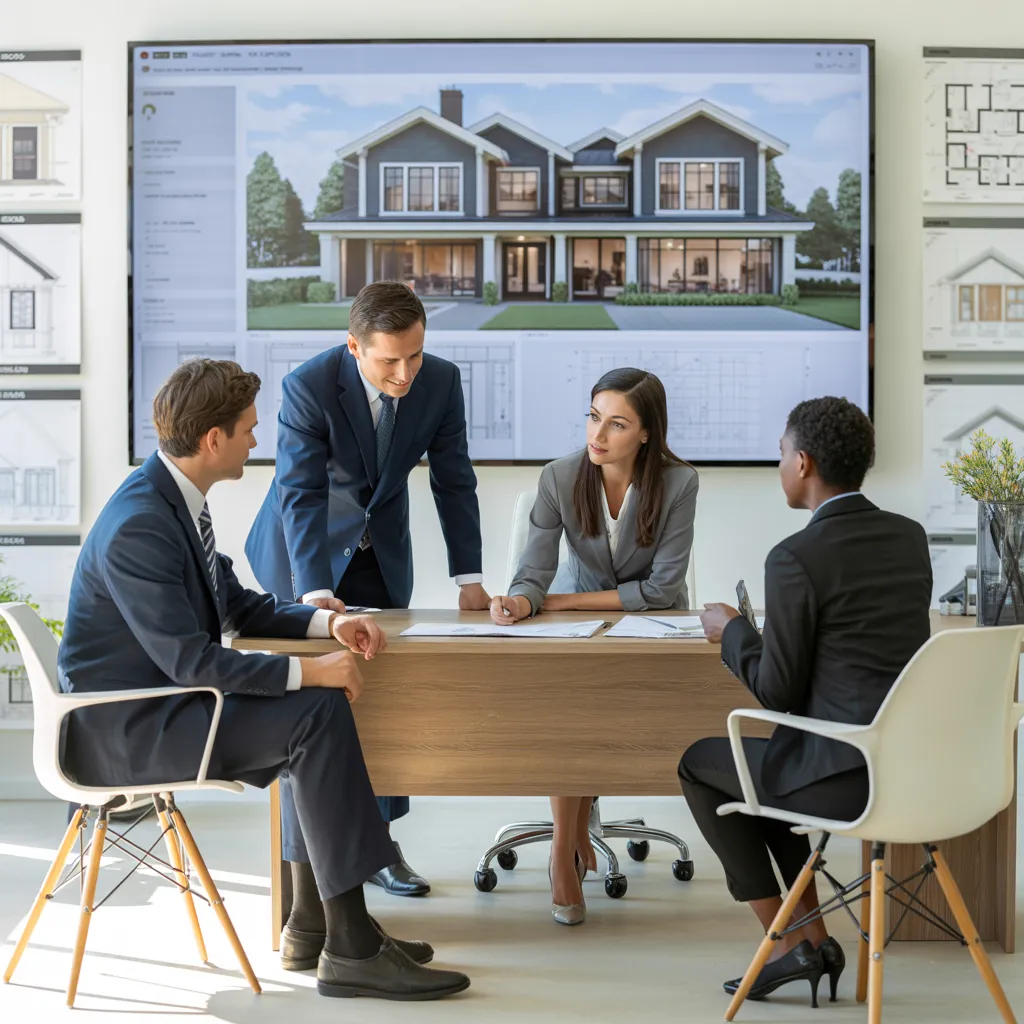
Expectations When Making Your Made-to-Order House: Usual Difficulties and Resolutions
Building a custom home can be an stimulating but challenging journey. Prospective homeowners often encounter common challenges that can surface during the construction process. One prevalent issue is overseeing schedules, as delays can flow from various factors such as weather conditions or supply chain disruptions. To mitigate this, effective communication with the builder and regular progress check-ins are essential.
One more challenge requires dealing with design changes, which can happen as homeowners refine their vision. Creating a transparent, comprehensive plan from the beginning can help reduce adjustments and related costs.
Budget constraints also pose a major obstacle, often resulting in compromises on wanted amenities. Homeowners should prioritize their essential needs and remain flexible to find suitable alternatives.
To conclude, unforeseen site issues, such as soil stability or zoning regulations, may occur, demanding immediate solutions. Engaging seasoned professionals can facilitate addressing these hurdles efficiently, guaranteeing a smoother building experience.
Budgeting Recommendations for Your Dream Home
When planning a custom home, setting a clear budget is essential. Homeowners should identify their priorities, investigate various funding alternatives, and prepare for unforeseen costs. These steps can help guarantee that the ideal residence stays financially feasible throughout the building process.
Establish Your Priorities
How can one prioritize their spending plan when commencing the undertaking to design their dream home? First, it is paramount to determine key features that matter most, such as room arrangement, size, and energy efficiency. Emphasizing these elements helps channel funds more productively. Next, formulating a financial target guides decisions, allowing homeowners to contrast between must-haves and supplementary items. It's vital to factor in unpredictable expenses; tucking away a backup fund can ward off financial strain. Studying products and design choices in advance can also facilitate in arriving at well-informed decisions. Finally, involving a custom home builder early in the process can provide valuable insights on affordable solutions, ensuring that the final design harmonizes with both vision and financial resources.
Investigate Funding Options
Exploring funding choices is an critical step in the process of building a dream home. Homebuyers should start by evaluating their budget, determining how much they can afford without jeopardizing financial stability. Traditional mortgage loans are a common option, but alternatives like construction loans or expert guide personal loans can also be considered. It's important to evaluate interest rates and terms from various lenders to find the best fit. Additionally, securing pre-approval can streamline the building process and strengthen negotiating power. Buyers should also factor in additional costs such as land acquisition, permits, and construction insurance. By clearly understanding their financing landscape, homeowners can effectively navigate the path to their ideal custom home.
Organize Emergency Scenarios
Anticipating contingencies is indispensable when financing a ideal residence. Home construction often uncover unexpected difficulties, such as volatile material costs or latent structural complications. To alleviate monetary strain, experts suggest allocating at least 10-15% of the overall budget for contingency funds. This reserve can address unexpected situations without interrupting the project. Equally important, sustaining transparent dialogue with the custom home builder guarantees that any surfacing complications are expeditiously resolved, reducing delays and unexpected fees. Homeowners should also evaluate including a contingency period in the project timeline, allowing flexibility for foreseeable delays. By deliberately preparing for unforeseen expenses, homeowners can create a more resilient budget and increase the likelihood of accomplishing their ideal residence within their budgetary constraints.
Defining Your Home Design Vision: Layout, Aesthetic, and Practicality
Crafting a vision for home design requires a clear understanding of personal style preferences, the utility of different areas, and the overall layout flow. By determining these fundamental components, homeowners can create a well-balanced environment that meets their essential requirements and decor preferences. This process is essential for making a dream home into a practical reality.
Identifying Your Style Preferences
What is the best way to accurately discover one’s design style when planning a custom home? To begin, individuals should survey various architectural styles, such as modern, traditional, or farmhouse, by searching online and visiting model homes. Creating a mood board with images, colors, and patterns can help define visual preferences. Additionally, assessing personal belongings and existing home decor can uncover intrinsic tastes. Talking with friends or family about their design choices may also offer inspiration. Ultimately, reflecting on lifestyle needs and aesthetic desires will help narrowing down options. This process not only encourages self-awareness but also ensures that the final design feels personal, laying a strong foundation for the custom home journey.
Emphasizing Space Practicality
Recognizing personal style preferences establishes the foundation for prioritizing space functionality in a custom home. This requires recognizing how each area will be used and guaranteeing that the design accommodates these needs. Well-designed areas should promote comfort and efficiency, supporting activities such as cooking, entertaining, or relaxation. Consideration of natural light, traffic patterns, and furniture placement is essential in this phase. Additionally, incorporating versatile features, like built-in storage or convertible spaces, can improve usability. The goal is to create a harmonious balance between aesthetics and practicality, ensuring that each room fulfills its intended purpose while expressing the homeowner's unique vision. Ultimately, emphasizing practical design elevates the overall living experience in a custom-built residence.
Optimizing Layout Flow
Optimizing layout flow improves the overall feel of a custom home by ensuring that areas connect seamlessly and function cohesively. A well-considered layout promotes ease of movement, allowing inhabitants to move smoothly from one area to another. Key elements include aligning key spaces, such as the kitchen, dining, and living areas, to encourage interaction while maintaining privacy in bedrooms and bathrooms. Incorporating open concepts can further enhance connectivity, making rooms feel more spacious and inviting. Additionally, thoughtful placement of windows and doors maximizes natural light, contributing to a harmonious ambiance. By prioritizing layout flow, homeowners can create an environment that not only reflects their vision but also enhances daily living, ultimately adding value to their custom home.
The Key Role of Customization in Your Home Design
Customization acts as a fundamental part in home design, allowing homeowners to build a space that showcases their distinctive tastes and living style. Through incorporating custom features, tailored layouts. chosen materials, and distinctive final touches, homeowners can ensure their home satisfies their practical requirements and visual preferences. This undertaking strengthens feelings of belonging and attachment to the home, boosting overall satisfaction.
Furthermore, customization can markedly enhance a home's functionality. For example, creating areas that cater to family dynamics or particular hobbies can result in a more balanced living experience. As styles develop, customized layouts can also adapt to changing needs over time, ensuring durability and applicability.
In the end, the importance of tailoring in home design lies in its ability to change a house into a true home, where every detail is carefully planned to improve the homeowner's daily life. The result is a unique haven that truly reflects the homeowner's vision.
What's the Best Way to Partner Effectively With Your Builder?
Strong collaboration with a builder is essential for properly executing a homeowner's plan to completion. Honest dialogue remains central of this engagement. Homeowners should outline their desires and expectations, ensuring that the builder fully understands their intentions. Periodic updates and consultations can foster this sharing, helping both parties to manage concerns and adjustments immediately.
Formulating a timeframe and cost estimate at the start helps prevent disputes. Homeowners must remain flexible, as changes may arise due to unforeseen circumstances or new insights during construction. Trusting the builder's expertise is vital; they can provide constructive advice based on professional experience and accepted practices.
Additionally, incorporating a collaborative platform or coordination platform can expedite exchange and capture movement forward. Ultimately, a winning collaboration between the property dweller and builder is grounded in genuine respect, forthright dealings, and a joint investment to the project, realizing a vision into reality.
Selecting Materials and Finishes to Improve Your Home's Visual Appeal
Determining the proper selections of materials and finishes is important, as it deeply affects the complete visual and operational aspects of a custom home. The selection of surfaces, extending from floors to counter surfaces, can markedly define the home's atmosphere, whether seeking a sleek, traditional, or mixed aesthetic. Fine finishes not only strengthen appearance but also support robustness and convenient maintenance.
Homeowners need to reflect on factors like chromatic selections, tactile finishes, and eco-conscious living. For instance, natural timber can bring forth warmth, and modern metal finishes may suggest a contemporary style. Adopting eco-friendly options can support individual convictions and current design trends.
Furthermore, the harmony between materials can produce a cohesive look, enabling spaces to transition seamlessly. Working with a experienced builder can offer insights into the latest trends and timeless classics, ensuring that selections reflect the homeowner's vision while satisfying practical needs. Ultimately, careful material selection is essential to achieving a customized and practical living space.
Learning Your Construction Timetable: What to Anticipate
What duration will the construction process require? This inquiry is vital for anyone beginning a custom home experience. Generally, the timeline can vary from several months to over a year, depending on various elements. These encompass the intricacy of the layout, the dimensions of the property, and local permitting processes.
The early phase commonly contains site preparation and structural base work, which can take from a few weeks to a couple of months. Following this, framing and structural work get underway, often continuing for several months. Interior finishing, which includes electrical work, plumbing work, and visual design details, can also vary in duration.
Delays might originate due to weather conditions or supply chain issues, making clear communication with the builder necessary. Understanding the construction timeline not only creates realistic projections but also helps homeowners coordinate their relocation accordingly, enabling a smoother shift to their new custom-built home.
Common Questions Posed
How Do I Verify My Home Represents My Personal Style?
To guarantee a home demonstrates personal style, one should define preferences, assemble references, and partner with professionals. Including special touches, colors, and materials allows for a space that authentically represents individual taste and lifestyle.
What Approvals Are Essential for Building a Made-to-Order House?
To create a personalized dwelling, required authorizations typically include a construction license, zoning clearance, electrical and plumbing certifications, and possibly environmental reviews. Reaching out to city officials assures observance of local codes and facilitates the construction process.
Is it able to make alterations during the building process?
Yes, alterations can be made during the construction process. However, they may impact the timeline and budget. It's important to communicate any changes with the builder to ensure viability and proper alterations are handled.
What Should I Think About When Choosing a Builder for My Project?
Selecting the right builder involves examining their credentials, reviewing past work, gathering client references, and ensuring clear dialogue. Alignment with the builder's vision and comprehension of the project scope are crucial for a successful collaboration.
What Common Design Directions Are Found in Custom Homes In Modern Times?
Today's design trends for custom homes showcase open floor plans, sustainable materials, smart home technology, contemporary design, and outdoor living spaces. These components indicate an stronger focus on efficient design, environmental consciousness, and seamless indoor-outdoor shifts.